The Damaru (Upper Right Hand): The drum represents the heartbeat of the cosmos and the primal sound that initiates creation and the flow of time.
The Flame (Upper Left Hand): The fire symbolizes destruction and the purification required for new beginnings, highlighting that creation and destruction are cyclical.
Abhaya Mudra (Lower Right Hand): This hand is raised in a gesture of fearlessness, offering protection and grace to the universe.
Pointing Hand and Raised Foot (Lower Left Hand and Raised Leg): The hand points toward the lifted foot, which represents salvation and liberation from the material world.
Apasmara (Underfoot): Shiva dances upon the dwarf demon, who symbolizes human ignorance and ego, representing the triumph of divine consciousness.
Prabha Mandala (Ring of Fire): The blazing arch encircling the deity represents the ever-changing universe and the cosmic energy that sustains all physical existence.
This ancient philosophical concept famously bridges the gap with modern quantum physics. Renowned physicist Fritjof Capra noted in The Tao of Physics that subatomic particles are locked in a continuous rhythm of energy creation and destruction, much like the dance of Shiva.
This parallel led to the prominent installation of a Shiva Nataraja statue at the CERN particle physics laboratory in Geneva, where physicists study the fundamental building blocks of the universe.
Swami Vivekananda
It is only just that I should try to give you a little of my views. I fully believe that there are periodic ferments of religion in human society, and that such a period is now sweeping over the educated world. While each ferment, moreover, appears broken into various little bubbles, these are all eventually similar, showing the cause or causes behind them to be the same. That religious ferment which at present is every day gaining a greater hold over thinking men, has this characteristic, that all the little thought-whirlpools into which it has broken itself declare one single aim — a vision and a search after the Unity of Being. On planes physical,, ethical and spiritual, an ever-broadening generalisation — leading up to a concept of Unity Eternal — is in the air; and this being so, all the movements of the time may be taken to represent, knowingly or unknowingly, the noblest philosophy of the unity man ever had — the Advaita-Vedanta.
The Door to Infinity | Dialogue in Arunachala | 2026
Jeevanmukta Lakshanam | ஜீவன்முக்த லக்ஷணம்
Why God & the Universe are the SAME Reality (Advaita Vedanta)
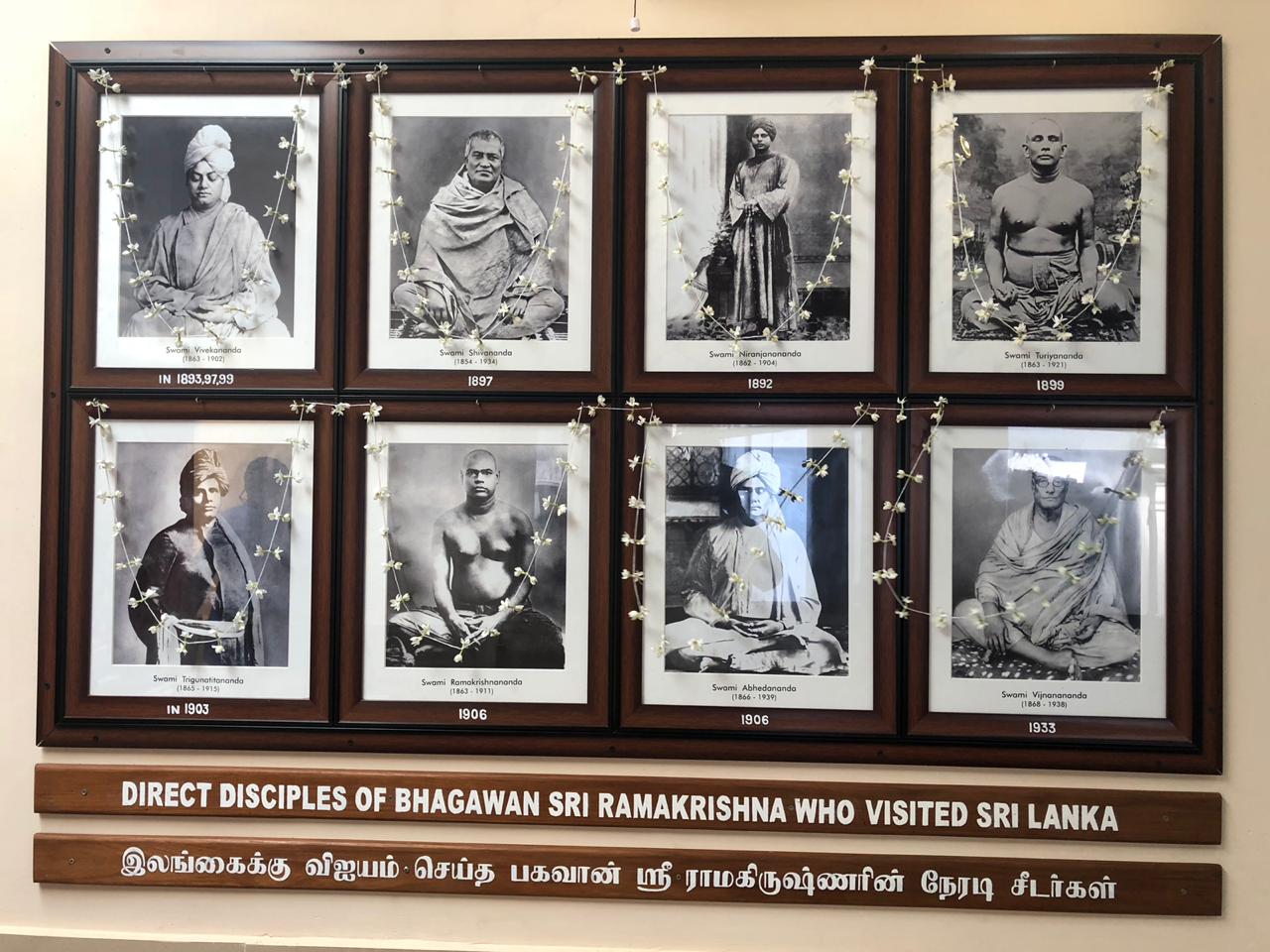
The Direct Disciples of Sri Ramakrishna

वेदाहम् एतम् पुरुषं महान्तम्॥Vedaham Etam Purusham Mahantam॥ Vedic Mantra ॥
OM Vedahametam Purusham Mahantam Adityavarnam Tamasah Parastat । Tameva Viditvaati Mrutyumeti Naanyah Pantha vidhyate Ayanay॥
Meditation: I have realized this Purusha - Supreme Consciousness - who is the Greatest of the great (i.e. is End of Greatness), who shines Effulgent like the Sun beyond all darkness (i.e. ignorance). One passes beyond death only on realizing That. There is no other way known.(to get liberation from the circle of births and deaths).
********************
The Maheshwara Sutras are 14 foundational verses of Sanskrit grammar revealed when Lord Shiva played his Damaru (sacred drum) while performing the Tandava (dance of cosmic creation). These sound vibrations provided the sage Panini with the acoustic framework for the Sanskrit language.
The 14 Maheshwara Sutras
The sutras arrange the Sanskrit alphabet into specific phonemic groups:
It is only just that I should try to give you a little of my views. I fully believe that there are periodic ferments of religion in human society, and that such a period is now sweeping over the educated world. While each ferment, moreover, appears broken into various little bubbles, these are all eventually similar, showing the cause or causes behind them to be the same. That religious ferment which at present is every day gaining a greater hold over thinking men, has this characteristic, that all the little thought-whirlpools into which it has broken itself declare one single aim — a vision and a search after the Unity of Being. On planes physical,, ethical and spiritual, an ever-broadening generalisation — leading up to a concept of Unity Eternal — is in the air; and this being so, all the movements of the time may be taken to represent, knowingly or unknowingly, the noblest philosophy of the unity man ever had — the Advaita-Vedanta.
The Direct Disciples of Sri Ramakrishna
Sri Ramakrishna the Unknown

OM Vedahametam Purusham Mahantam Adityavarnam Tamasah Parastat । Tameva Viditvaati Mrutyumeti Naanyah Pantha vidhyate Ayanay॥
********************
The Maheshwara Sutras are 14 foundational verses of Sanskrit grammar revealed when Lord Shiva played his Damaru (sacred drum) while performing the Tandava (dance of cosmic creation). These sound vibrations provided the sage Panini with the acoustic framework for the Sanskrit language.
The 14 Maheshwara Sutras
The sutras arrange the Sanskrit alphabet into specific phonemic groups:
अ इ उ ण् (a i u ṇ)ऋ ऌ क् (ṛ ḷ k)ए ओ ङ् (e o ṅ)ऐ औ च् (ai au c)ह य व र ट् (ha ya va ra ṭ)ल ण् (la ṇ)ञ म ङ ण न म् (ña ma ṅa ṇa na m)झ भ ञ् (jha bha ñ)घ ढ ध ष् (gha ḍha dha ṣ)ज ब ग ड द श् (ja ba ga ḍa da ś)ख फ छ ठथ च ट त व् (kha pha cha ṭha tha ca ṭa ta v)क प य् (ka pa y)श ष स र् (śa ṣa sa r)ह ल् (ha l)